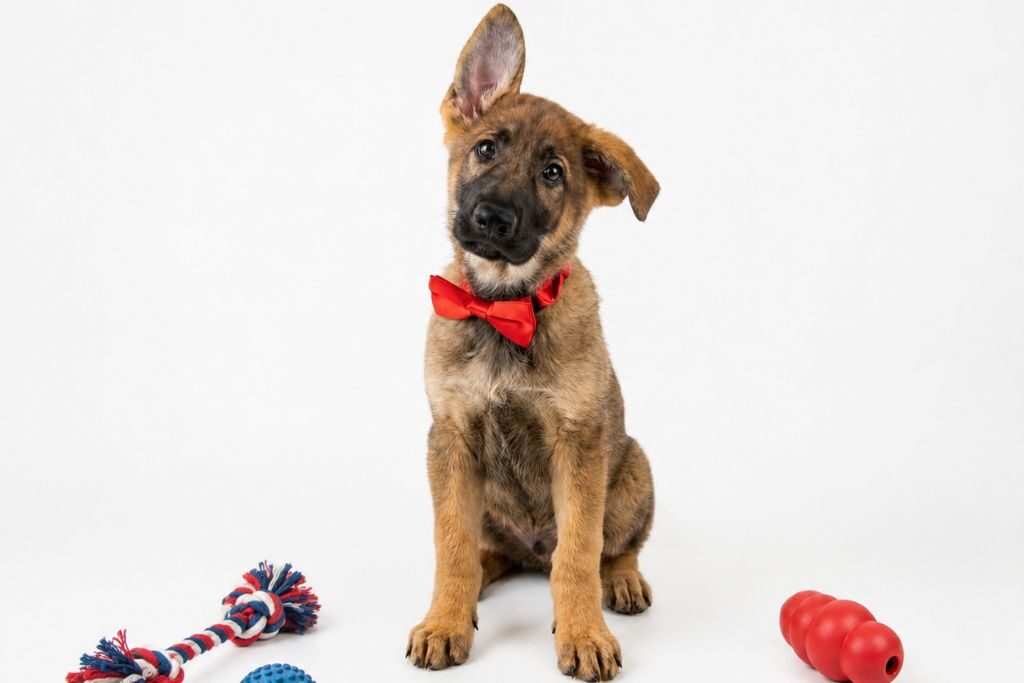
Your puppy is finally home. The cuddles have started, the camera roll is filling up, and your days are now packed with tiny paws, playful energy, and plenty of unforgettable moments.
They may also be packed with tiny puppy teeth.
Puppy nipping and mouthing are completely normal behaviors. Puppies explore the world with their mouths, learn through play, and may chew more during the teething stage. The goal is not to stop your puppy from being curious. It is to teach them how to interact gently and understand what behaviors are appropriate.
For families welcoming a new puppy in Indianapolis or Schererville, those first weeks are all about creating healthy routines. From introducing your puppy to your home to helping them adjust to everyday sounds, people, and experiences, early guidance helps build confidence.
At Happiness Is Pets, we know that preparing for puppy life is just as important as choosing the right companion.
Why Do Puppies Nip and Mouth Everything?
Puppies use their mouths to explore, communicate, and play. A young puppy does not automatically understand that hands, socks, and furniture are not chew toys.
Teething can also increase chewing behaviors. As puppies grow, their gums can feel uncomfortable, so they naturally look for things to bite and explore.
That does not mean your puppy is misbehaving. They are learning.
Your job is to help them understand what is okay to chew and what is not.
How Can You Stop Puppy Nipping and Mouthing?
1. Redirect Your Puppy to Appropriate Toys
When your puppy grabs your fingers or starts chewing your sleeves, calmly offer a toy instead.
This teaches an important lesson: toys are for chewing, and people are for love, play, and companionship.
Keep toys nearby during playtime. This makes redirection easier during those energetic puppy moments when your pup decides your shoelaces are the most exciting thing in the house.
2. Teach Your Puppy That Gentle Play Gets Rewarded
If your puppy bites too hard, pause the game. A short break helps them understand that rough play makes the fun stop.
Puppies develop bite inhibition through interactions with other dogs. Consistent responses from their families help reinforce gentle behavior at home.
3. Avoid Encouraging Hand-Biting Games
It can be tempting to let puppies chase fingers or wrestle with hands. However, this can make boundaries confusing.
Instead, use toys for games like tug or fetch. These activities provide exercise while helping your puppy learn appropriate play.
4. Reward Calm Choices
Positive reinforcement helps puppies learn which behaviors you want them to repeat. Praise or reward your puppy when they choose an appropriate toy, settle calmly beside you, or play gently. Reinforcing these small moments helps puppies understand that calm, appropriate choices lead to positive outcomes.
For Indianapolis families enjoying neighborhood walks or spending time outdoors near local parks, practicing these skills in different environments can help puppies learn to stay calm and focused around everyday distractions. In Schererville, keeping the same routines at home and during daily outings can help reinforce consistent behavior and make training feel more predictable. Gentle guidance and consistent training help puppies develop healthy habits from the very beginning.
How Can Puppy Owners Create Better Habits for Life Together?
The puppy stage is filled with learning moments. Those tiny nips are temporary, but the habits you build now can shape your relationship for years.
At Happiness Is Pets, we help families throughout Indianapolis, Schererville, and nearby communities like Crown Point and Merrillville find the right puppy match and prepare for life together.
From choosing a puppy that fits your lifestyle to offering helpful guidance as your companion grows, we’re here to support you through every stage of the journey.
Raising a happy puppy, after all, takes patience, understanding, and plenty of love.