Large breed
Newfoundland Puppies
Newfoundlands: Gentle giants with boundless love
We do not have Newfoundland puppies on the floor today. Tell us what you are looking for and we will let you know the moment one arrives, or help you find a breed that suits your home just as well.
- Adult weight 100–150 lbs
- Height 26–28 in
- Lifespan 8–10 years
- Exercise 60 min a day
About the Newfoundland
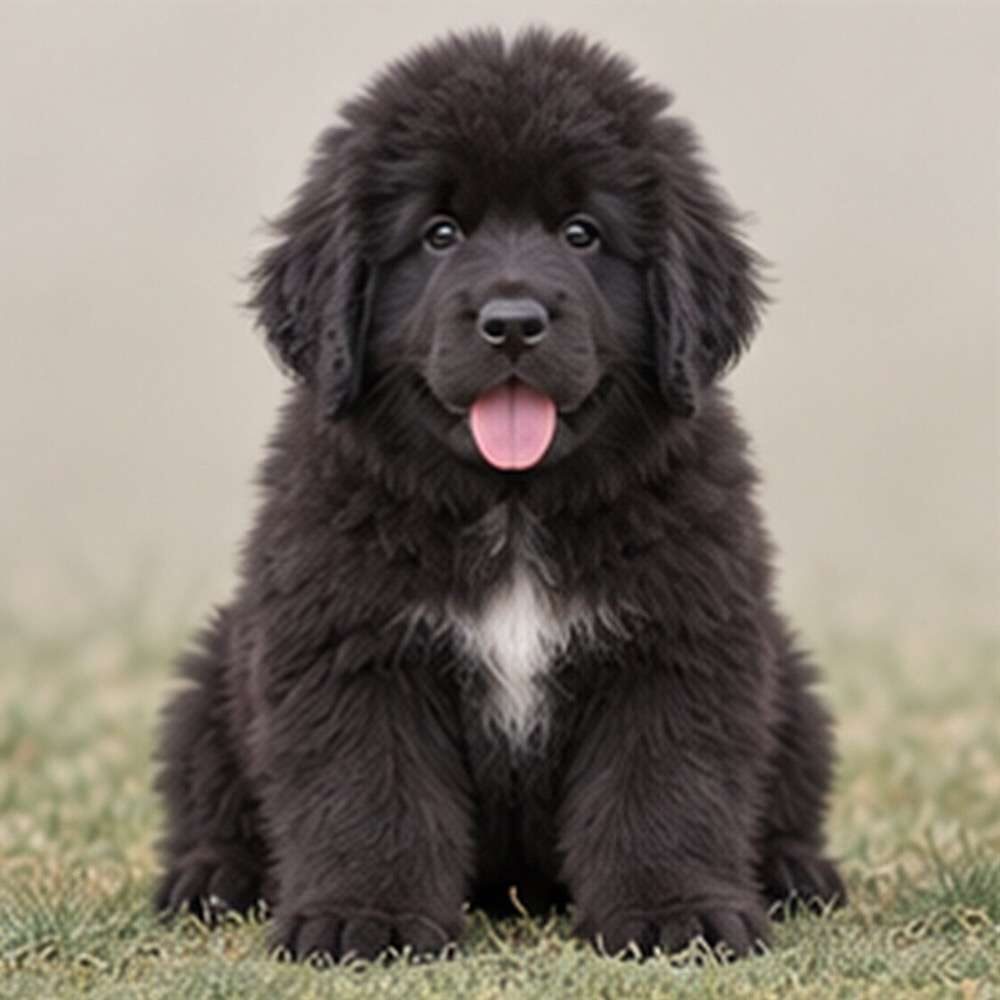
If you are searching for a gentle giant that will steal your heart, consider welcoming a Newfoundland into your family. With their origins steeped in the rugged terrain of Canada, these impressive dogs were originally bred for water rescues and as hardworking companions for fishermen. Their affectionate temperament makes them perfect family pets, especially for homes with young kids, where their gentle nature shines through. Newfoundlands also tend to be friendly with other dogs and even cats, making them a harmonious addition to any multi-pet household.
Read more about the Newfoundland Show less
While Newfoundlands are large in size, their energy level is relatively low, which can suit families living in apartments, especially those that can provide regular outdoor runs or walks. With a grooming routine of just once a week, these beautiful dogs are not high-maintenance when it comes to coat care, although they do shed a small amount. Their easygoing disposition means they are less likely to bark excessively, creating a peaceful home environment while still being attentive to their surroundings.
In terms of trainability, Newfoundlands are intelligent and eager to please, making them relatively easy to work with in training sessions. They are responsive to positive reinforcement, so patience and consistency will help them learn a variety of commands. Embracing the companionship of a Newfoundland will bring warmth, loyalty, and love into your life, making them an excellent choice for families seeking an affectionate and devoted friend. If you are interested in finding a Newfoundland, look no further than Happiness Is Pets, where you can begin your journey with this wonderful breed.
Newfoundland breed profile
Every score below is set by our team for this breed. Higher is simply more of that trait, not better or worse.
Temperament
-
Affection Devoted
-
Playfulness Very playful
-
With strangers Never met a stranger
-
Territorial Relaxed
-
Prey drive Low
Family & other pets
-
Young children Excellent
-
Older children Excellent
-
Other dogs Sociable
-
Cats Great with cats
Energy & exercise
-
Energy Relaxed
-
Mental stimulation Moderate
Training
-
Trainability Willing learner
-
Intelligence Very bright
-
Stubbornness Biddable
Care & upkeep
-
Shedding Minimal
-
Drooling A drooler
-
Barking Occasional
Home life
-
Apartment living Prefers a house
-
Time alone Needs company
-
Cold weather Thrives in it
-
Warm weather Needs shade
A good match for
-
First-time owners Good first dog
-
Senior owners Good
-
Running partner Short distances
-
Hiking Good
-
Therapy work Good
-
Guarding Protective
Living with a Newfoundland
Temperament & Family Fit
The Newfoundland is known for its gentle giant disposition, making it an exceptional choice for families. With a high affection level and a full score in being good with young kids and other pets, Newfoundlands truly thrive in a loving home environment. Their laid-back and friendly nature means they are generally calm and welcoming, allowing them to be wonderful companions for both children and adults alike.
Energy & Exercise
<p Despite being a large breed, Newfoundlands exhibit a moderate energy level, so they don’t require excessive exercise. A few daily walks and some playful time in the yard will keep them happy and healthy. They're perfectly suited to a life where they can lounge around, but they appreciate an active family who can enjoy occasional adventures together.
Care & Grooming
Newfoundlands come with a thick coat that requires consistent grooming, but fortunately, their shedding level is low. A weekly grooming routine will help keep their coat healthy and the home fur-free. With their gentle nature, bath time can even be turned into a bonding experience, ensuring your furry friend maintains that classic Newfie fluff!
Training Notes
Known for their intelligence, Newfoundlands can be trained with patience and positive reinforcement tactics. While they are generally eager to please, their independent streak may require some extra encouragement during training sessions. Given their friendly disposition, consistent training will help them socialize well and become the well-mannered family member they were born to be!
Caring for a Newfoundland
- Grooming
- Weekly brushing
- Grooming cost
- Average
- Monthly food
- High
- Outdoor space
- A yard is recommended
- Allergy friendly
- Not considered hypoallergenic
Frequently Asked Questions
Are Newfoundlands good with young children?
Absolutely! Newfoundlands are known for their gentle and patient nature, making them excellent companions for families with young kids. They are often referred to as 'gentle giants' because they handle children with care and love.
How much grooming do Newfoundlands require?
Newfoundlands have a water-resistant coat that needs attention, but you won't have to groom them every day. A weekly grooming session is usually enough to keep their coat healthy and free of tangles, which is quite manageable for most families.
Do Newfoundlands get along with other pets?
Yes, Newfoundlands are known to be very sociable and typically get along well with other dogs and even cats. Their calm demeanor and affectionate nature make them a great addition to a multi-pet household.
Can a Newfoundland live in an apartment?
While Newfoundlands are large dogs, they can adapt to apartment living if they get enough exercise and mental stimulation. They have a lower energy level, so regular walks and playtime can keep them content, though they do appreciate space to stretch out.
How trainable are Newfoundlands?
Newfoundlands are quite trainable; they are intelligent and eager to please, which makes training sessions enjoyable. However, they can be a bit independent at times, so consistent, positive reinforcement methods work best to help them learn.