Large breed
Alaskan Malamute Puppies
Loyal companion for snowy adventures and cuddles
We do not have Alaskan Malamute puppies on the floor today. Tell us what you are looking for and we will let you know the moment one arrives, or help you find a breed that suits your home just as well.
- Adult weight 75–100 lbs
- Height 23–25 in
- Lifespan 10–14 years
- Exercise 120 min a day
About the Alaskan Malamute
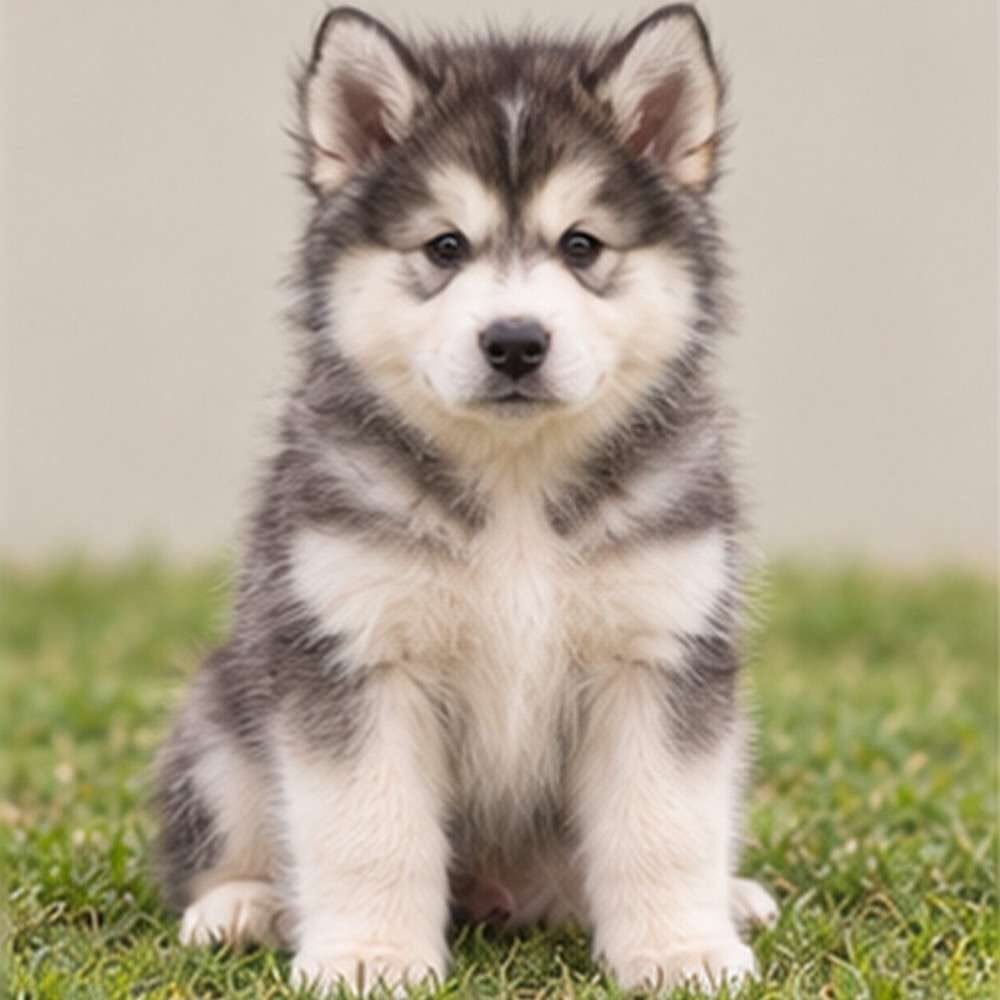
The Alaskan Malamute, a breed that traces its roots back to the Arctic, was originally developed by the native Mahlemut people for heavy hauling and sledding. These majestic dogs embody strength and endurance, making them perfect companions for active families who love outdoor adventures. While they showcase a robust, impressive size, they possess a gentle and affectionate temperament, thriving on close interactions with their human families. If you are looking for a loyal friend who can also be protective and family-oriented, the Alaskan Malamute may just steal your heart.
Read more about the Alaskan Malamute Show less
With moderate exercise needs, these pups require regular physical activity to keep them happy and healthy, making them great partners for hiking or playtime in the yard. Their affectionate nature means they bond closely with family members, often forming strong attachments, whereas they may do best with older children who can match their energy and understand their needs. Although they might not be the ideal fit for small apartments, they adapt relatively well to home life as long as daily walks and play sessions are included.
Grooming your Alaskan Malamute is a manageable task, with a frequency of once a month, and they only shed lightly, which is a pleasant surprise for a breed of their size. While they are intelligent and capable of learning, their trainability can be a bit of a mixed bag, as they often have a mind of their own. This excellent breed, with its charming personality and majestic appearance, can be an incredibly rewarding addition to your family, especially if you share a love for the outdoors. If you are considering welcoming an Alaskan Malamute into your life, visit us at Happiness Is Pets to start your journey.
Alaskan Malamute breed profile
Every score below is set by our team for this breed. Higher is simply more of that trait, not better or worse.
Temperament
-
Affection Devoted
-
Playfulness Very playful
-
With strangers Friendly
-
Territorial Territorial
-
Prey drive High
Family & other pets
-
Young children Older kids only
-
Older children With care
-
Other dogs Selective
-
Cats Needs care
Energy & exercise
-
Energy Very high
-
Mental stimulation High
Training
-
Trainability Takes patience
-
Intelligence Very bright
-
Stubbornness Stubborn
Care & upkeep
-
Shedding Minimal
-
Drooling Minimal
-
Barking Occasional
Home life
-
Apartment living Needs real space
-
Time alone Short periods
-
Cold weather Thrives in it
-
Warm weather Needs shade
A good match for
-
First-time owners Some experience helps
-
Senior owners Demanding
-
Running partner Good
-
Hiking Excellent
-
Therapy work Unlikely
-
Guarding Protective
Living with a Alaskan Malamute
Temperament & Family Fit
The Alaskan Malamute is a gentle giant with a heart of gold, making them a wonderful addition to many families. With a high affection level, they often form deep bonds with their humans, especially children. Though they can be a bit reserved around strangers, their love for family shines through in their loyal and playful demeanor.
Energy & Exercise
These majestic dogs are full of energy and thrive on physical activity, so be prepared for daily adventures! A Malamute would surely love long walks, hikes, or even some fun playtime in the yard to burn off that excess energy. While they're not the best fit for tight living spaces like apartments due to their size, a loving home with ample outdoor space will keep them happy and healthy.
Care & Grooming
Luckily, Alaskan Malamutes have a low grooming frequency, requiring only monthly brushings to keep their luxurious coats in top shape. Though they do shed, regular brushing helps manage any loose fur, ensuring your home remains tidy. Make sure to check their ears and nails regularly for a complete grooming routine.
Training Notes
While Alaskan Malamutes are not the easiest to train, they respond well to positive reinforcement and consistency. Being intelligent and independent-minded, they do require a bit of patience and creativity in training sessions. With love and guidance, they'll not only learn commands but also learn to value their time spent with you.
Caring for a Alaskan Malamute
- Grooming
- Monthly brushing
- Grooming cost
- Average
- Monthly food
- High
- Outdoor space
- A yard is recommended
- Allergy friendly
- Not considered hypoallergenic
Frequently Asked Questions
Are Alaskan Malamutes good family pets?
Absolutely! Alaskan Malamutes are known for their affectionate nature and bond closely with their families. They thrive on companionship and are generally good with young kids, though it's always wise to supervise interactions just to be safe.
How much exercise does an Alaskan Malamute need?
These pups are quite energetic and require regular exercise to keep them happy and healthy. A mix of walks, playtime, and some solid outdoor adventures will help meet their energy needs, so be prepared for some fun exercise sessions!
Do Alaskan Malamutes get along with other pets?
While Alaskan Malamutes can be social, they may not always get along perfectly with other dogs or cats. Early socialization and proper introductions are essential to help them adjust, but it’s important to remember that each dog has its individual temperament.
How much grooming do Alaskan Malamutes require?
You’ll be relieved to know that Alaskan Malamutes have a moderate grooming routine. With a monthly brushing, you should keep their coat looking beautiful and healthy, with a little more frequent brushing during shedding season to manage loose fur.
Can Alaskan Malamutes live in apartments?
While they can adapt to apartment living, it's not always ideal for them. They are a large breed with high energy, so having access to outdoor space and being committed to giving them regular exercise is crucial for their happiness.