Large breed
Bullmastiff Puppies
Gentle giant, perfect for cozy family cuddles
We do not have Bullmastiff puppies on the floor today. Tell us what you are looking for and we will let you know the moment one arrives, or help you find a breed that suits your home just as well.
- Adult weight 110–130 lbs
- Height 24–27 in
- Lifespan 8–10 years
- Exercise 30 min a day
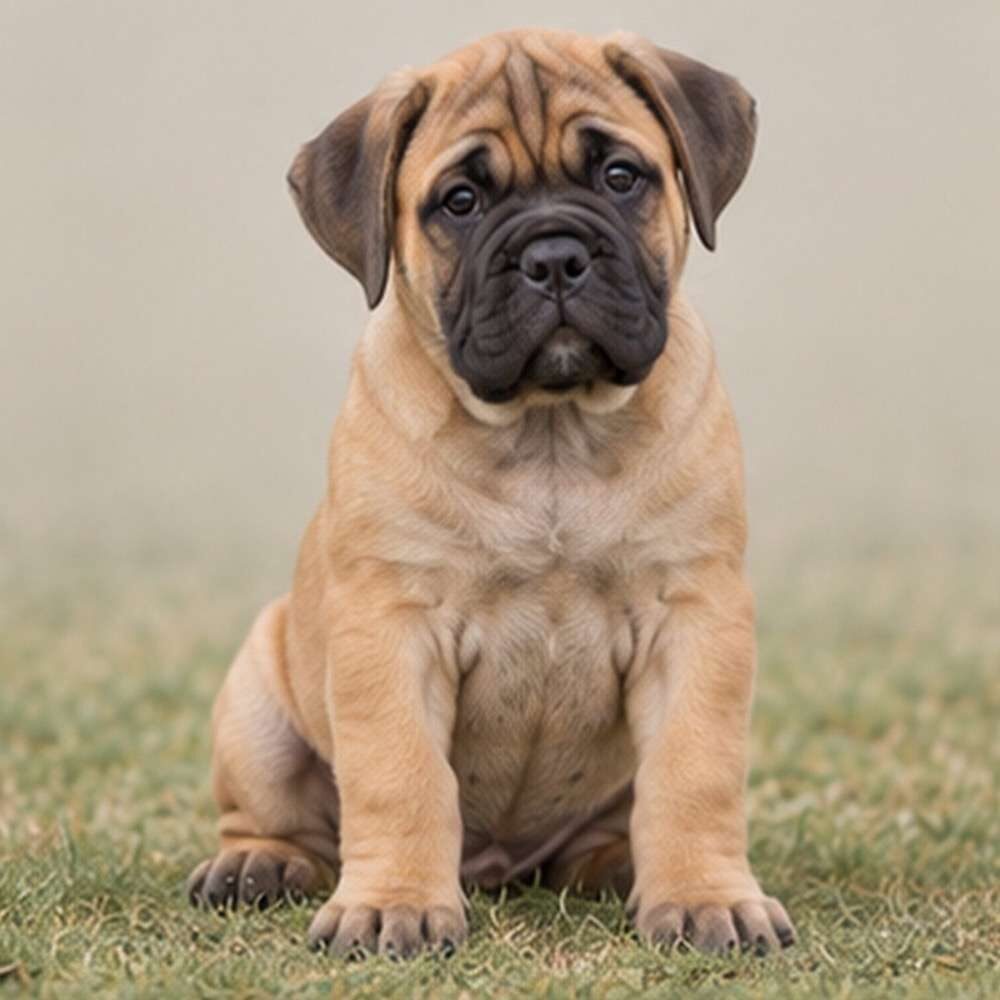
About the Bullmastiff
The Bullmastiff, a gentle giant with a rich lineage stemming from 19th century English estates, is a breed that embodies a perfect blend of strength and affection. Originally bred to guard estates from poachers, these loving dogs have evolved into loyal companions known for their calm demeanor. If you are looking for a family-friendly addition to your home, you’ll find that Bullmastiffs are especially good with young kids and even thrive alongside cats, making them ideal for families who cherish harmony.
Read more about the Bullmastiff Show less
While their large size might seem intimidating at first glance, the Bullmastiff’s disposition is far from aggressive. This breed is affectionate and tends to bond closely with the people in its life. They enjoy a moderate energy level, requiring just enough exercise to keep fit, but they are more than happy to lounge around the house as long as they can be near their loved ones. With a grooming frequency of about once a month, their low shedding makes them manageable for those who may worry about pet hair.
Training a Bullmastiff can be a challenge due to their independent nature, but with patience and consistency, these intelligent dogs can learn basic commands and household etiquette. Their tendency to bark is relatively low, which suits those living in apartments or shared spaces, and they adapt well to various living environments. If you are seeking a steadfast companion that combines a lovable nature with protective instincts, consider making a Bullmastiff part of your family. At Happiness Is Pets, your journey to finding the perfect pet begins with these magnificent dogs that promise both companionship and devotion.
Bullmastiff breed profile
Every score below is set by our team for this breed. Higher is simply more of that trait, not better or worse.
Temperament
-
Affection Very affectionate
-
Playfulness Serious
-
With strangers Wary
-
Territorial Very territorial
-
Prey drive Low
Family & other pets
-
Young children Good
-
Older children Good
-
Other dogs Selective
-
Cats Usually fine
Energy & exercise
-
Energy Relaxed
-
Mental stimulation Light
Training
-
Trainability Independent minded
-
Intelligence Steady
-
Stubbornness A stubborn streak
Care & upkeep
-
Shedding Light
-
Drooling Keep a towel handy
-
Barking Occasional
Home life
-
Apartment living Good
-
Time alone Short periods
-
Cold weather Comfortable
-
Warm weather Needs shade
A good match for
-
First-time owners Good first dog
-
Senior owners Good
-
Running partner Short distances
-
Hiking Short walks
-
Therapy work Possible
-
Guarding Strong guardian
Living with a Bullmastiff
Temperament & Family Fit
Bullmastiffs are known for their gentle and affectionate nature, making them fantastic family companions. With a calm demeanor, they do particularly well with young kids, providing a warm, protective presence in the home. While they are generally well-behaved, they can be a bit reserved around other dogs, but they often get along beautifully with cats.
Energy & Exercise
This breed has a moderate energy level, allowing for a happy balance between playtime and relaxation. Daily walks and some light play can keep your Bullmastiff content without over-exerting them. Thanks to their adaptable nature, they make great apartment companions, thriving in both spacious homes and cozy living spaces.
Care & Grooming
With monthly grooming, Bullmastiffs require minimal upkeep to maintain their elegant appearance. Their shedding level is moderate, so regular brushing will help manage any loose hair throughout your home. Plus, their loving affection means they enjoy those cuddle sessions and grooming routines!
Training Notes
While Bullmastiffs may not be the most eager learners, their loyalty and bond with their family make them eager to please in their own way. Patience and positive reinforcement are essential, keeping training sessions light and enjoyable. With gentle guidance, they can learn basic commands and household etiquette, bringing joy to your family life.
Caring for a Bullmastiff
- Grooming
- Monthly brushing
- Grooming cost
- Low
- Monthly food
- High
- Outdoor space
- A yard is recommended
- Allergy friendly
- Not considered hypoallergenic
Frequently Asked Questions
Are Bullmastiffs good with children?
Absolutely! Bullmastiffs are known for their gentle nature and make excellent companions for young kids. They are patient and affectionate, providing a loving presence in the home. Just be sure to supervise interactions to ensure both kids and dog are playing safely.
How much exercise do Bullmastiffs need?
Bullmastiffs have a moderate energy level, meaning they don’t require intense exercise. Regular walks and some playtime in the yard will keep them happy and healthy. Just be mindful not to over-exert them, especially in hot weather!
Do Bullmastiffs shed a lot?
They do have a shedding level of 3, which means you can expect some fur around the house. However, their grooming routine is simple—you'll just need to brush them once in a while, and a monthly grooming session will help keep their coat shiny and healthy.
Can Bullmastiffs live in an apartment?
Yes, Bullmastiffs can be quite apartment-friendly! They adapt well to smaller spaces as long as they get their regular exercise and mental stimulation. Just make sure they have enough room to stretch out and be comfortable.
How trainable are Bullmastiffs?
While Bullmastiffs can be a bit stubborn and have a lower trainability score, consistency and patience are key. They respond best to positive reinforcement techniques and, with time, you can help them learn basic commands and manners. Building a strong bond with them will also aid in training!