Medium breed
Skye Terrier Puppies
Loyal and loving, perfect for cozy homes
We do not have Skye Terrier puppies on the floor today. Tell us what you are looking for and we will let you know the moment one arrives, or help you find a breed that suits your home just as well.
- Adult weight 25–40 lbs
- Height 9–10 in
- Lifespan 12–15 years
- Exercise 30 min a day
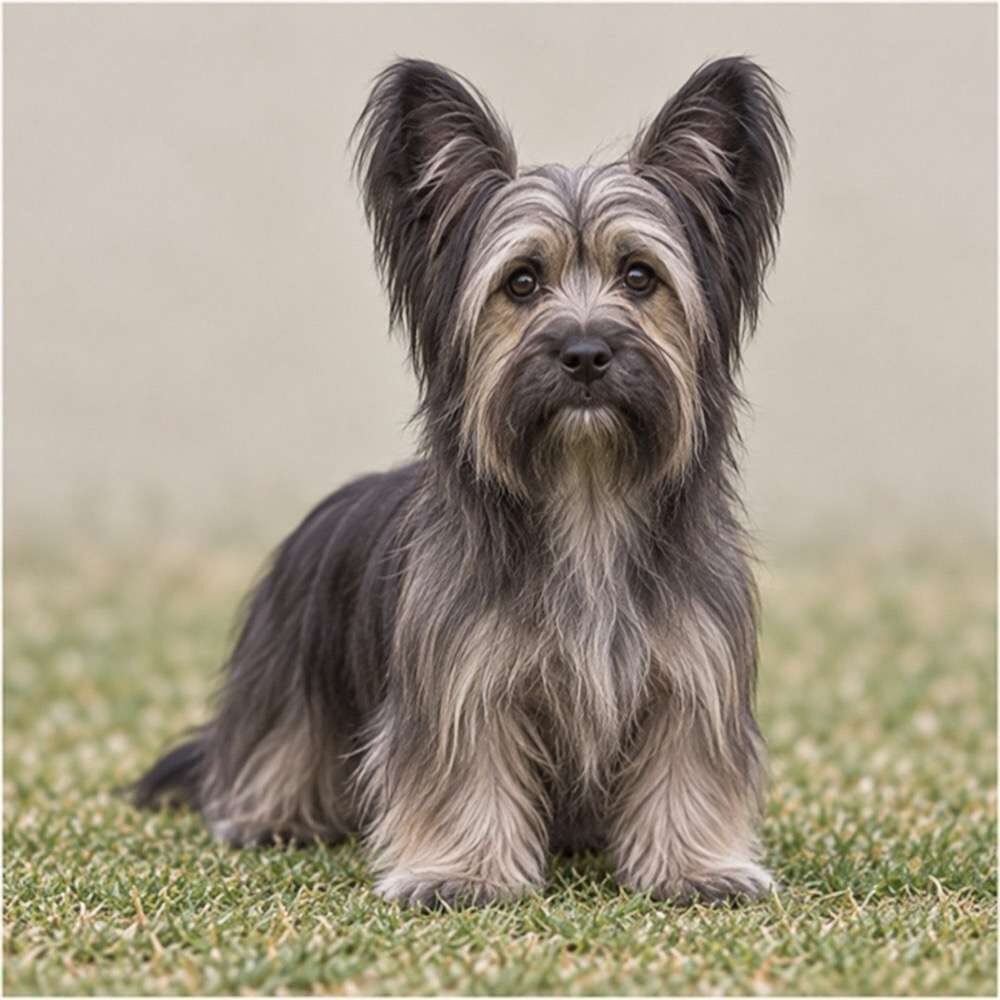
About the Skye Terrier
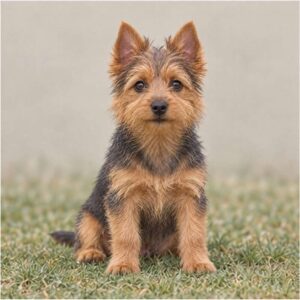
The Skye Terrier is a charming and affectionate breed with a rich history dating back to the rugged shores of Scotland. Originally bred to hunt vermin on the remote Skye Island, these medium-sized terriers are known for their distinctive long coats and unique appearance. With their loyal and loving nature, Skye Terriers thrive in family environments, bringing joy to households that appreciate their spirited personalities. While they generally bond closely with their humans, they may not be the best fit for families with very young children or other pets, as they tend to be more reserved around unfamiliar dogs and cats.
Read more about the Skye Terrier Show less
Despite their playful demeanor, Skye Terriers have a moderate energy level, making them well-suited for apartment living. They require regular exercise but are also content with leisurely walks and indoor play sessions. Their grooming needs are manageable, requiring just weekly brushing to keep their beautiful coats in good condition and minimize shedding. If you’re looking for a devoted companion who can adapt to your living situation and be the star of your small space, this breed is a wonderful choice.
Skye Terriers are relatively easy to train, thanks to their intelligence and eagerness to please. With consistent and positive reinforcement, they can learn commands and tricks rather quickly. However, their tendency to bark does may require some attention to ensure they do not develop excessive vocal habits, particularly in apartment settings. Their affectionate nature makes them wonderful companions, and they thrive on the love and attention of their families. If you are considering welcoming a Skye Terrier into your life, you’ll find that they can bring warmth and happiness to your home. Whether you’re searching for a Skye Terrier in Happiness Is Pets or elsewhere, they make for loyal friends who will undoubtedly steal your heart.
Skye Terrier breed profile
Every score below is set by our team for this breed. Higher is simply more of that trait, not better or worse.
Temperament
-
Affection Very affectionate
-
Playfulness Very playful
-
With strangers Wary
-
Territorial Very territorial
-
Prey drive High
Family & other pets
-
Young children Older kids only
-
Older children With care
-
Other dogs Prefers to be the only dog
-
Cats Not advised
Energy & exercise
-
Energy Relaxed
-
Mental stimulation High
Training
-
Trainability Quick to learn
-
Intelligence Very bright
-
Stubbornness Stubborn
Care & upkeep
-
Shedding Light
-
Drooling Minimal
-
Barking Vocal
Home life
-
Apartment living Well suited
-
Time alone A few hours
-
Cold weather Comfortable
-
Warm weather Needs shade
A good match for
-
First-time owners Manageable
-
Senior owners Good
-
Running partner Short distances
-
Hiking Good
-
Therapy work Possible
-
Guarding Low
Living with a Skye Terrier
Temperament & Family Fit
The Skye Terrier is a loyal and affectionate companion, often forming strong bonds with their families. However, they tend to be better suited for families with older children rather than toddlers, as they can be a bit reserved around young kids. Their independent nature can make them somewhat aloof with other pets, so introductions should be handled with care.
Energy & Exercise
This breed generally enjoys a moderate energy level, which means they love their daily walks but don’t require an extensive amount of exercise. A couple of leisurely strolls and some playtime within the home or yard will keep this little furball happy and content. Their adaptable nature makes them well-suited for apartment living, which is great for those who live in smaller spaces.
Care & Grooming
The Skye Terrier has a lovely coat that requires regular grooming, about once a week, to keep it looking its best. While they do shed occasionally, their grooming routine helps minimize any stray fur around the house. With a bit of commitment to their grooming needs, you’ll have a beautiful companion ready for cuddles!
Training Notes
<pWhen it comes to training, Skye Terriers have an average level of trainability, so patience and consistency are key. They respond best to positive reinforcement techniques, such as treats or praises, as they can be stubborn at times. Remember to keep training sessions fun and engaging to keep your furry friend motivated!
Caring for a Skye Terrier
- Grooming
- Weekly brushing
- Grooming cost
- Average
- Monthly food
- Average
- Outdoor space
- A yard is recommended
- Allergy friendly
- Often suits allergy sufferers
Frequently Asked Questions
What is the energy level of a Skye Terrier?
Skye Terriers have a moderate energy level, which means they enjoy daily walks and playtime but are quite content to relax at home afterward. They’re great for families or individuals who appreciate a balance between activity and downtime.
How do Skye Terriers do in apartments?
Skye Terriers are excellent apartment dogs! Their small to medium size, combined with their low energy needs, makes them perfectly suited for apartment living. Just make sure they get regular walks and some playtime to keep them stimulated.
Do Skye Terriers get along with children?
While Skye Terriers can be affectionate, they are often not the best match for young kids. They can be a bit reserved and may not appreciate the boisterousness that young children can bring. It's important to supervise interactions and teach kids how to handle them gently.
How much grooming do Skye Terriers require?
Skye Terriers require weekly grooming to keep their beautiful coats in good condition. Regular brushing helps prevent matting and keeps their fur healthy, making it a lovely bonding activity for you and your dog!
Are Skye Terriers protective and do they bark a lot?
Skye Terriers do have a tendency to bark, often using their voice to alert you to anything unusual. They can be quite protective of their home and family, so you'll often find them on alert, which makes them good watchdogs.