Small breed
Lakeland Terrier Puppies
Lively companion, perfect for warm family moments
We do not have Lakeland Terrier puppies on the floor today. Tell us what you are looking for and we will let you know the moment one arrives, or help you find a breed that suits your home just as well.
- Adult weight 13–17 lbs
- Height 13–15 in
- Lifespan 12–15 years
- Exercise 60 min a day
About the Lakeland Terrier
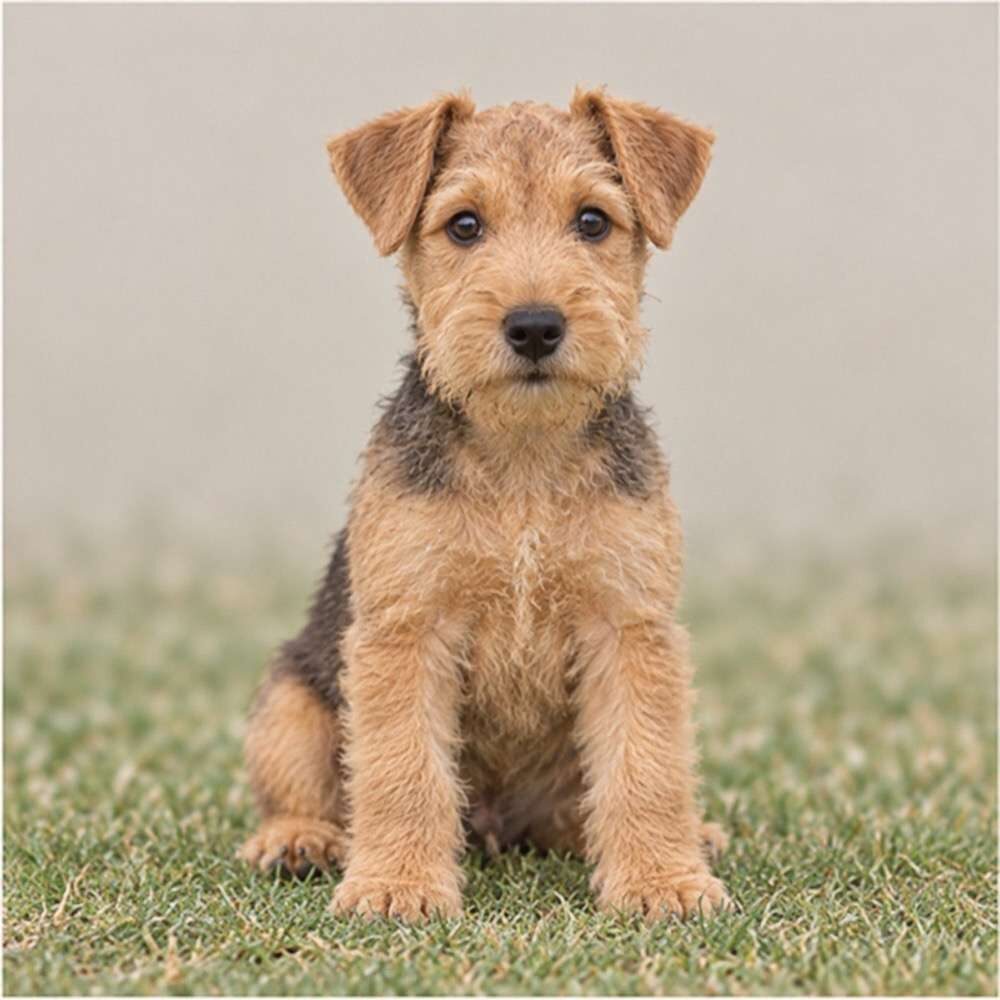
The Lakeland Terrier, with its charming personality and spirited nature, is an excellent companion for many families. Originally bred in the Lake District of England for hunting foxes, this small yet sturdy breed has a rich history that connects it to the rugged, pastoral landscapes. They have a lively and affectionate temperament, making them particularly well-suited for families with young children. Their playful energy will surely delight any child, though it is essential to note that they may not get along as well with other pets, which can make them a better fit for homes without cats or dogs.
Read more about the Lakeland Terrier Show less
In terms of energy and exercise, Lakeland Terriers are moderately energetic, needing regular playtime and walks to keep them happy and healthy. Their apartment-friendliness means they can adapt well to smaller living spaces, as long as they receive plenty of physical and mental stimulation. Grooming demands are on the higher side; therefore, regular professional grooming is recommended to maintain their distinctive wiry coat and minimize shedding.
When it comes to trainability, Lakeland Terriers can be somewhat independent and headstrong, resulting in a need for consistent and patient training approaches. While they may challenge novice trainers, their intelligence and eagerness to please will shine through with the right guidance. Their propensity for barking adds a spirited element to their personality, making them effective watchdogs. For those looking to welcome a loyal and playful companion into their home, a Lakeland Terrier could be a perfect match, especially if you’re hoping to find one at a warm and welcoming place like Happiness Is Pets.
Lakeland Terrier breed profile
Every score below is set by our team for this breed. Higher is simply more of that trait, not better or worse.
Temperament
-
Affection Very affectionate
-
Playfulness Always game
-
With strangers Wary
-
Territorial Very territorial
-
Prey drive High
Family & other pets
-
Young children Good
-
Older children Good
-
Other dogs Prefers to be the only dog
-
Cats Not advised
Energy & exercise
-
Energy High
-
Mental stimulation High
Training
-
Trainability Takes patience
-
Intelligence Very bright
-
Stubbornness Stubborn
Care & upkeep
-
Shedding Heavy
-
Drooling None to speak of
-
Barking Vocal
Home life
-
Apartment living Good
-
Time alone A few hours
-
Cold weather Comfortable
-
Warm weather Comfortable
A good match for
-
First-time owners Some experience helps
-
Senior owners Suitable
-
Running partner Good
-
Hiking Good
-
Therapy work Possible
-
Guarding Low
Living with a Lakeland Terrier
Temperament & Family Fit
The Lakeland Terrier is a small breed with a big heart, making them wonderfully affectionate companions for families, especially those with young children. They have a playful spirit and love to be part of the action, which can endear them to all family members. However, they can also be quite independent and feisty, so it's essential to teach them boundaries early on.
Energy & Exercise
This energetic little breed boasts a moderate energy level, requiring regular exercise to keep them happy and healthy. Daily walks and playtime in a secure area are great ways to encourage their playful nature. They're also quite apartment-friendly, as long as their exercise needs are met!
Care & Grooming
While the Lakeland Terrier is relatively low-maintenance in terms of grooming frequency, they do benefit from professional grooming to keep their coat in tip-top shape. Their shedding level is a bit higher, which means some extra care may be necessary to manage their fur around the home. Keeping them groomed not only helps with shedding but also enhances their charming appearance!
Training Notes
Training a Lakeland Terrier can be a delightful challenge, as they are intelligent but may exhibit a bit of stubbornness at times. Start training early and use positive reinforcement techniques, as they respond well to encouragement. Consistency and patience are key, but you'll find your efforts rewarding as you bond with this spirited little dog.
Caring for a Lakeland Terrier
- Grooming
- Professional grooming
- Grooming cost
- Average
- Monthly food
- Average
- Outdoor space
- A yard is recommended
- Allergy friendly
- Often suits allergy sufferers
Frequently Asked Questions
What size can I expect my Lakeland Terrier to grow to?
Lakeland Terriers are small dogs, typically weighing between 15 to 17 pounds when fully grown. Their compact size makes them ideal for various living situations, including apartments.
How energetic are Lakeland Terriers?
Lakeland Terriers have a moderate energy level, so you can expect them to enjoy regular playtime and walks. They need daily exercise to keep them happy and healthy, but they don't require extreme amounts of activity.
Are Lakeland Terriers suitable for families with young kids?
Yes, Lakeland Terriers generally do well with young children! They are playful and affectionate, making them great companions for kids who know how to interact gently with pets.
What is the grooming requirement for a Lakeland Terrier?
Lakeland Terriers require professional grooming to maintain their unique coat. While they don't shed excessively, their wiry fur needs regular maintenance to keep it looking its best.
How do Lakeland Terriers get along with other pets?
While Lakeland Terriers can be affectionate with their families, they are not known for being great with other dogs or cats. If you have other pets, it's important to introduce them carefully and monitor their interactions.