Large breed
Chesapeake Bay Retriever Puppies
Loyal companions, perfect for outdoor adventures
We do not have Chesapeake Bay Retriever puppies on the floor today. Tell us what you are looking for and we will let you know the moment one arrives, or help you find a breed that suits your home just as well.
- Adult weight 55–80 lbs
- Height 21–26 in
- Lifespan 10–13 years
- Exercise 90 min a day
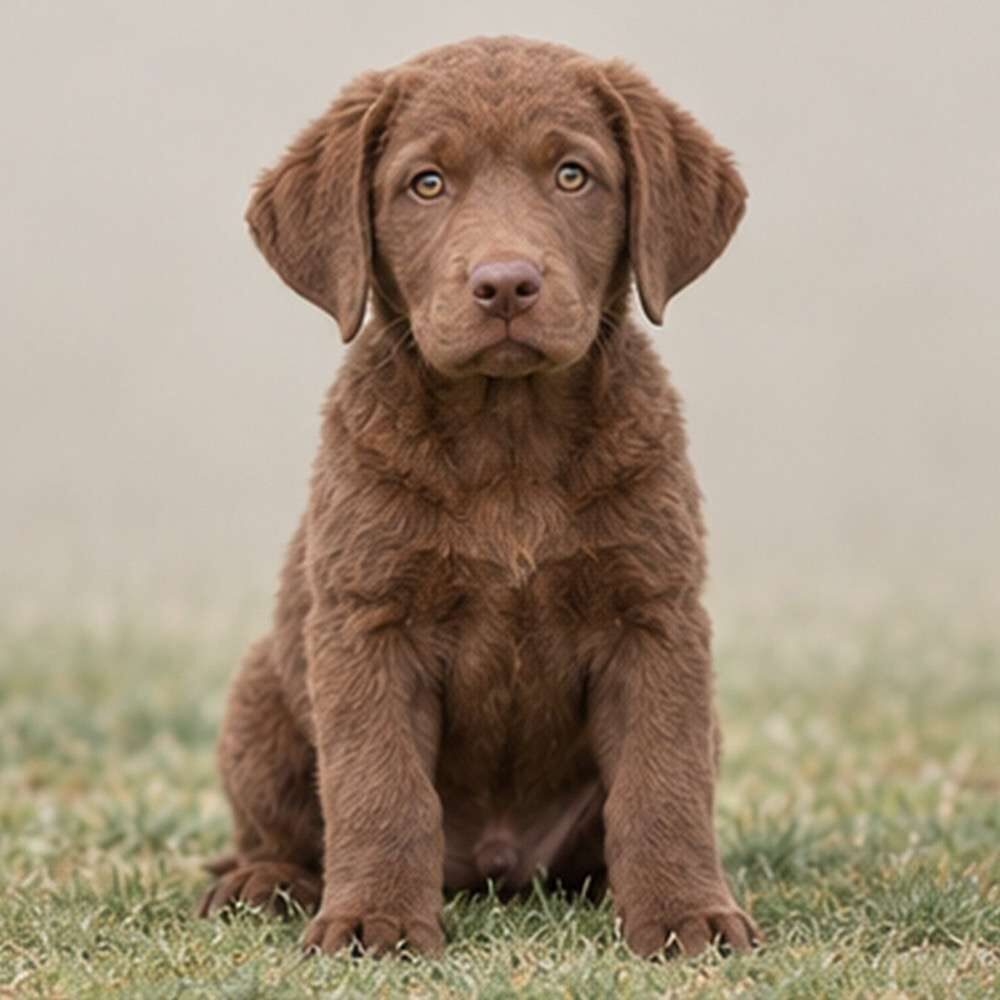
About the Chesapeake Bay Retriever
The Chesapeake Bay Retriever, a breed hailing from the chilly waters of the Chesapeake Bay, was bred primarily for waterfowl hunting and retrieving. With a rich history of working alongside hunters, these loyal companions possess a strong sense of purpose and a desire to please their families. Known for their affectionate nature, they tend to bond closely with their humans, making them an excellent choice for families with young children or those looking for a playful and loving companion. They thrive on social interaction and do well with other dogs, although they may show some hesitance around cats.
Read more about the Chesapeake Bay Retriever Show less
With an energy level that keeps them engaged but not overly hyper, Chesapeake Bay Retrievers require regular exercise to keep them happy and mentally stimulated. Daily walks, playtime in the yard, or those exciting trips to the water are ideal for these active dogs. While they are not the most apartment-friendly breed, they do adapt well to a home with a yard where they can run and play freely. Grooming them is a breeze with a weekly brushing to manage their shedding, which tends to be moderate but consistent.
When it comes to trainability, this breed is intelligent and eager to learn, making them a joy to train in obedience and other activities. They respond positively to consistent training methods and thrive in environments that challenge them mentally. With a barking tendency that is moderate, they will usually alert you to unusual happenings without being excessive. If you are welcoming a new member into your family, consider a Chesapeake Bay Retriever for a delightful combination of loyalty, intelligence, and affection, after all, happiness is pets.
Chesapeake Bay Retriever breed profile
Every score below is set by our team for this breed. Higher is simply more of that trait, not better or worse.
Temperament
-
Affection Very affectionate
-
Playfulness Very playful
-
With strangers Cautious
-
Territorial Territorial
-
Prey drive High
Family & other pets
-
Young children Good
-
Older children Good
-
Other dogs Sociable
-
Cats Needs care
Energy & exercise
-
Energy High
-
Mental stimulation High
Training
-
Trainability Quick to learn
-
Intelligence Very bright
-
Stubbornness A stubborn streak
Care & upkeep
-
Shedding Heavy
-
Drooling Some
-
Barking Moderate
Home life
-
Apartment living Prefers a house
-
Time alone Short periods
-
Cold weather Comfortable
-
Warm weather Comfortable
A good match for
-
First-time owners Manageable
-
Senior owners Suitable
-
Running partner Good
-
Hiking Good
-
Therapy work Good
-
Guarding Protective
Living with a Chesapeake Bay Retriever
Temperament & Family Fit
Chesapeake Bay Retrievers are known for their warm and affectionate nature, making them fantastic family companions. They thrive in homes with children and are friendly with other dogs, although they might not be the best match for feline friends. With their loving disposition, they seamlessly integrate into family life, enriching it with their playful and loyal spirit.
Energy & Exercise
This breed has a great energy level, making regular exercise an essential part of their routine. Daily walks, playtime, and even opportunities to swim are perfect for keeping them happy and healthy. They enjoy being active and will appreciate any adventure you plan, so get ready to keep up with their excitement!
Care & Grooming
The Chesapeake Bay Retriever has a shedding tendency that falls in the moderate range, which means you can expect some fur around the house. Grooming them weekly will help manage their coat and keep it in tip-top shape. This breed's love for the water may require occasional baths, but overall, their grooming needs are manageable for most families.
Training Notes
With their high trainability and eagerness to please, Chesapeake Bay Retrievers tend to respond well to positive reinforcement techniques. Early socialization and consistent training sessions are crucial for helping them grow into well-adjusted adults. Their intelligence and willingness to learn can turn training into a fun and engaging experience for both you and your furry friend!
Caring for a Chesapeake Bay Retriever
- Grooming
- Weekly brushing
- Grooming cost
- Low
- Monthly food
- Average
- Outdoor space
- A yard is recommended
- Allergy friendly
- Not considered hypoallergenic
Frequently Asked Questions
What is the typical size of a Chesapeake Bay Retriever?
Chesapeake Bay Retrievers are a large breed, typically weighing between 55 to 80 pounds. They have a strong, muscular build which makes them perfect for water activities and outdoor adventures.
How much exercise do Chesapeake Bay Retrievers need?
These dogs have a moderate energy level and require regular exercise to keep them happy and healthy. Daily walks, playtime, and swimming can help burn off their energy and keep them well-rounded.
Are Chesapeake Bay Retrievers good with kids and families?
Absolutely! Chesapeake Bay Retrievers are known for their affectionate nature and are generally very good with young kids. They are playful and protective, making them wonderful family pets.
How much grooming do Chesapeake Bay Retrievers require?
Grooming your Chesapeake should be done weekly to manage their shedding and keep their coat healthy. Their waterproof coat is unique, but regular brushing can help reduce loose hair around your home.
How trainable are Chesapeake Bay Retrievers?
This breed is quite trainable and eager to please, which makes them receptive to commands. Consistent training and positive reinforcement methods will yield the best results, and they often excel in obedience activities.