Large breed
Bloodhound Puppies
Loyal friends with noses for every adventure
We do not have Bloodhound puppies on the floor today. Tell us what you are looking for and we will let you know the moment one arrives, or help you find a breed that suits your home just as well.
- Adult weight 80–110 lbs
- Height 23–27 in
- Lifespan 10–12 years
- Exercise 60 min a day
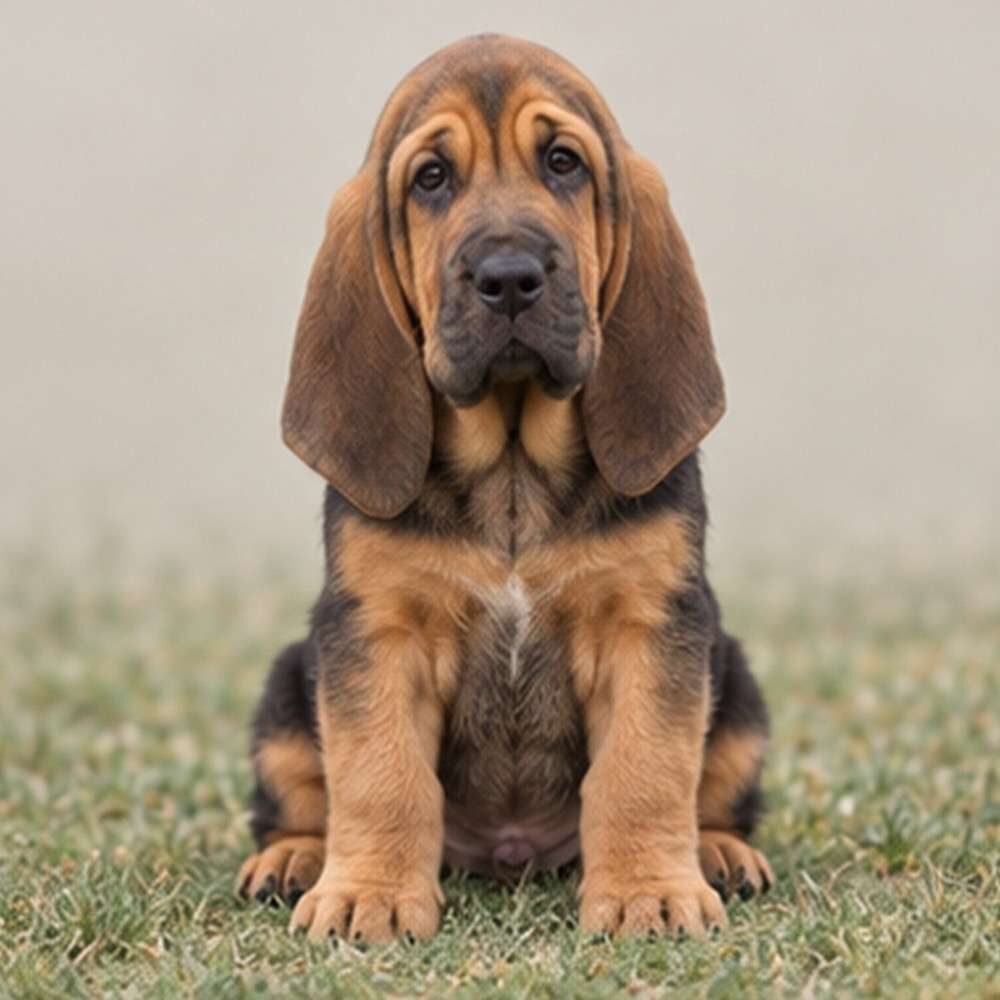
About the Bloodhound
The Bloodhound is a truly remarkable breed, renowned for its keen sense of smell and deep bond with its family. Originally bred in medieval Europe for tracking game and lost persons, these lovable giants have a history rich in work and companionship. With a large, strong build and an endearing face, their affectionate nature makes them fantastic family pets, especially for those with young children. They fit seamlessly into a loving home where they can receive plenty of attention and care, thriving on the connection they develop with their humans.
Read more about the Bloodhound Show less
As a breed, Bloodhounds have moderate energy levels, requiring regular exercise to keep them happy and healthy. Daily walks and playtime will not only satisfy their physical needs but also help strengthen the bond between them and their owners. Keep in mind that their tendency to bark can alert you to the comings and goings around your home, so they may not be the best fit for an apartment living situation. While they do have impressive trainability, their independent streak may require patience and consistency in training sessions, as they can exhibit some stubbornness.
Grooming your Bloodhound is relatively straightforward, with monthly brushing and attention to their ears necessary to keep them in optimal condition. They do shed a good amount, so regular cleaning in the home may be essential for keeping things tidy. Due to their friendly disposition, they usually do well with other dogs and cats, making them a welcome addition to multi-pet households. If you want an intelligent, loving companion who will shower your family with affection, the Bloodhound might just be the perfect fit for you. If you’re considering adding one of these lovable dogs to your family, be sure to explore your options at Happiness Is Pets.
Bloodhound breed profile
Every score below is set by our team for this breed. Higher is simply more of that trait, not better or worse.
Temperament
-
Affection Devoted
-
Playfulness Serious
-
With strangers Friendly
-
Territorial Territorial
-
Prey drive High
Family & other pets
-
Young children Excellent
-
Older children Excellent
-
Other dogs Sociable
-
Cats Great with cats
Energy & exercise
-
Energy High
-
Mental stimulation Moderate
Training
-
Trainability Takes patience
-
Intelligence Steady
-
Stubbornness Stubborn
Care & upkeep
-
Shedding Heavy
-
Drooling Keep a towel handy
-
Barking Vocal
Home life
-
Apartment living Needs real space
-
Time alone Short periods
-
Cold weather Needs a coat
-
Warm weather Needs shade
A good match for
-
First-time owners Some experience helps
-
Senior owners Suitable
-
Running partner Short distances
-
Hiking Good
-
Therapy work Possible
-
Guarding Low
Living with a Bloodhound
Temperament & Family Fit
Bloodhounds are gentle giants with a loving affinity for families, especially those with young kids. Their affectionate nature and sociable demeanor make them excellent companions, as they tend to get along wonderfully with other pets, including cats. This breed’s friendly disposition ensures that they not only fit in but also flourish in a family setting.
Energy & Exercise
While Bloodhounds have a moderate energy level, they still require regular exercise to stay happy and healthy. Daily walks and some playtime in the yard will keep their noses busy and their spirits high. Just remember, their love for sniffing and exploring means you might have a persistent pup on your hands during walks!
Care & Grooming
Bloodhounds have a manageable grooming routine, requiring monthly grooming to keep them looking their best. As they shed moderately, a bit of brushing now and then goes a long way in controlling any shedding. Their adorable wrinkles might need occasional cleaning to prevent any skin issues, but overall, they are quite easy to care for.
Training Notes
Training a Bloodhound can be a bit of a challenge since they are known for their stubborn streak; however, patience is key! Consistent, positive reinforcement works best with these sweet-natured pups. With love and encouragement, they can learn basic commands, but don’t be surprised if they occasionally follow their nose instead!
Caring for a Bloodhound
- Grooming
- Monthly brushing
- Grooming cost
- Low
- Monthly food
- Average
- Outdoor space
- A yard is recommended
- Allergy friendly
- Not considered hypoallergenic
Frequently Asked Questions
What is the size of a Bloodhound and are they suitable for apartments?
Bloodhounds are a large breed, typically weighing between 80 to 110 pounds. Given their size and energy levels, they are not the best fit for apartment living as they need space to roam and play.
How do Bloodhounds get along with children and other pets?
Bloodhounds are incredibly gentle and affectionate, making them fantastic companions for young kids. They are also known to be friendly with other dogs and even cats, so they can happily coexist with them in your home.
How much exercise does a Bloodhound need?
Bloodhounds have a moderate energy level, so daily walks and playtime are essential to keep them happy and healthy. While they enjoy exercising, they also love relaxing time with their families.
Are Bloodhounds easy to train?
Training a Bloodhound can be a bit of a challenge as they are known for their independent spirit. However, with consistent, positive reinforcement techniques, patience, and a lot of love, they can be trained to follow commands.
How much grooming do Bloodhounds require?
Bloodhounds have a grooming frequency of about once a month, which is quite manageable. Their short coat sheds moderately, so regular brushing during shedding seasons can help keep your home tidy and your pup looking their best.